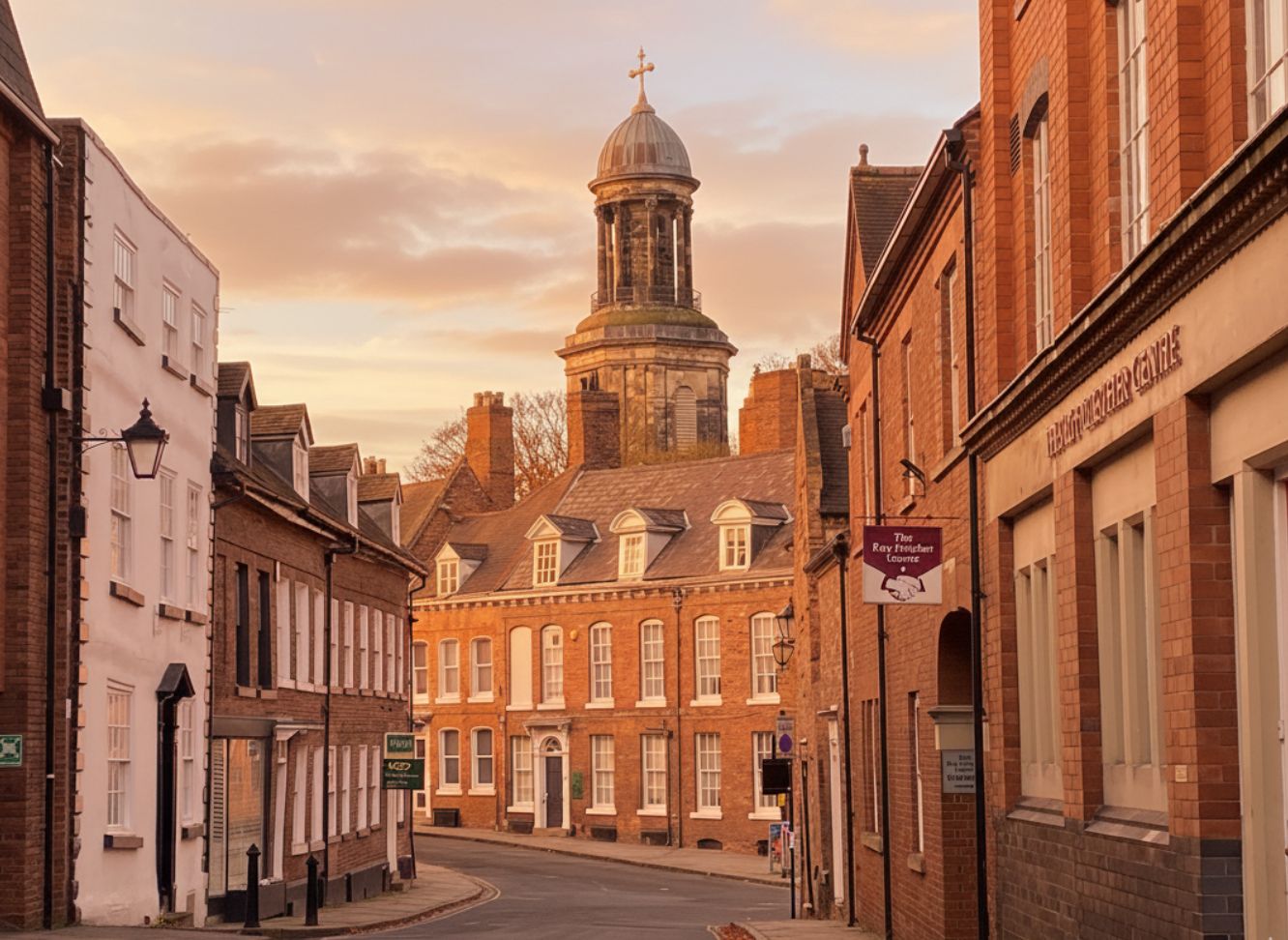
Thirty years of a practical idea
Roy Fletcher saw that voluntary organisations could do more for local people if they had good premises they could afford. His family and Shropshire's voluntary sector made it happen.
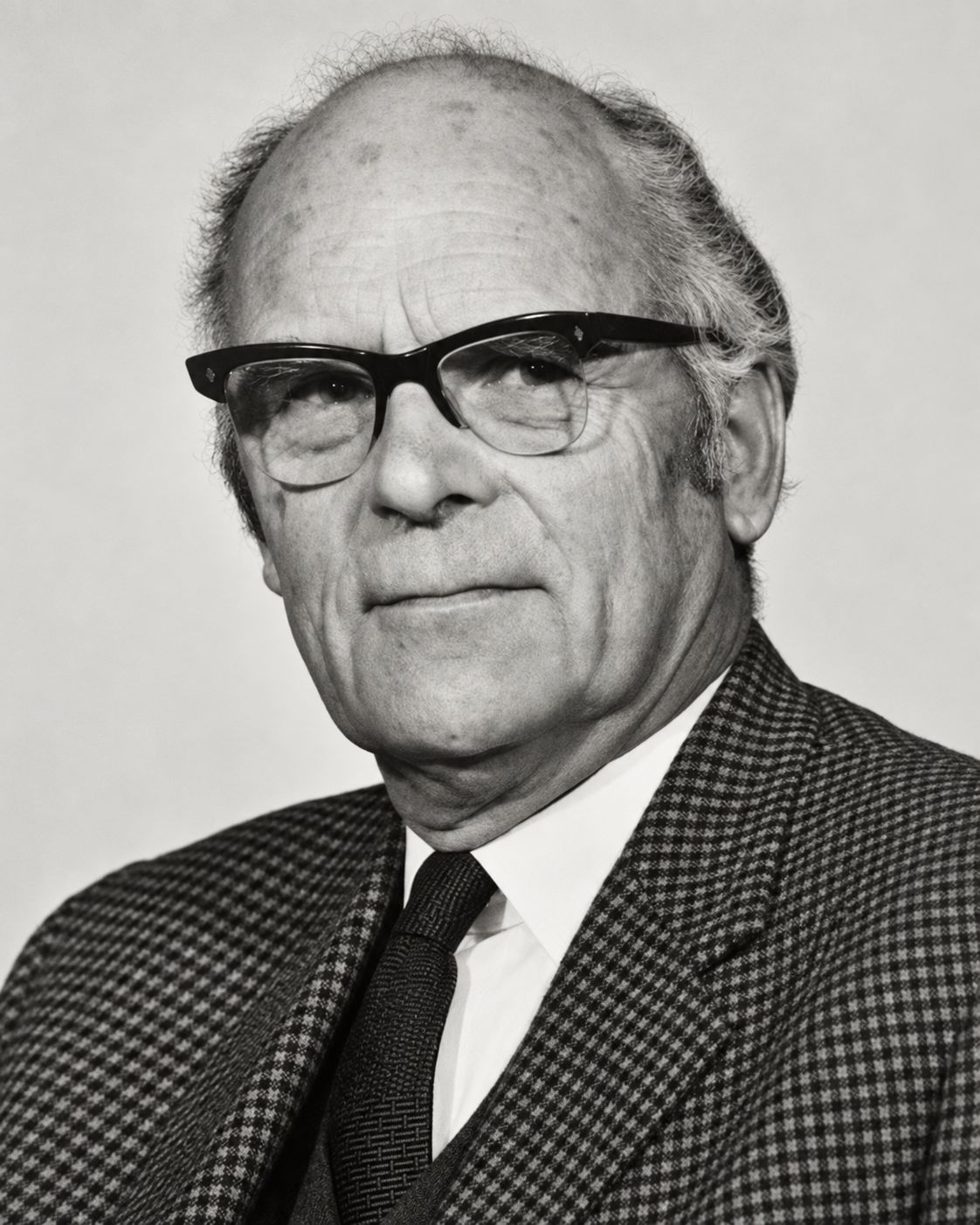
A quiet man with a practical idea
Voluntary organisations could do more for local people if they had good premises they could afford.
Roy Fletcher was a Shropshire builder who also served as a borough and county councillor. He supported local causes, often anonymously. Those who knew him describe a quiet, courteous, modest and practical man, and a good listener.
Through his public and charitable work he became concerned about voluntary organisations working from poor, unsuitable or insecure premises. He could see how much of their funds went on rent, and how little was left for the people they existed to help.
A visit to a small community centre attached to the St Sampsons Centre in York showed him another way: several voluntary organisations sharing one building, and sharing its costs. He began to consider a larger version for Shrewsbury, and started looking for a building. He died in 1991, before the idea became reality.
“He was very quiet, very courteous and very modest. He was a good listener but also practical and interested in solving problems.”LIBBY COOPER, ROY FLETCHER'S DAUGHTER
A printing works, and a lot of asking
Rather than assume the idea would work, the family asked the sector first.
After Roy's death his four children, Libby, Nick, Rosemary and Gill, became trustees and continued the work. They commissioned a feasibility study: Peter Dunhill of Shropshire Community Council asked voluntary organisations whether they needed better premises, what sort, and whether they would actually use a shared centre.
A steering group chaired by Jane Coward, former Town Mayor, brought together voluntary organisations, the county and borough councils and other partners. The Centre was built around a need the sector had identified for itself.
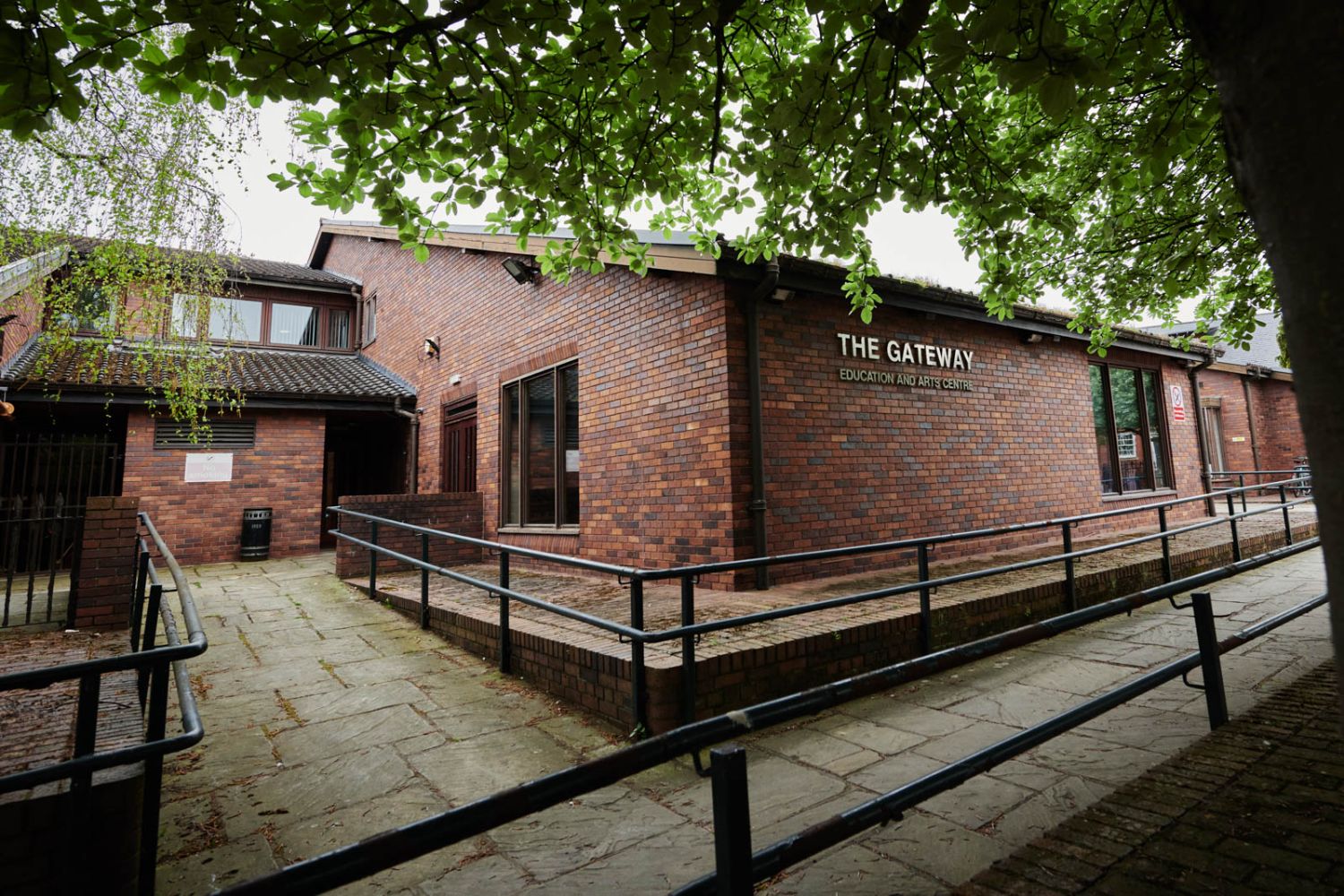
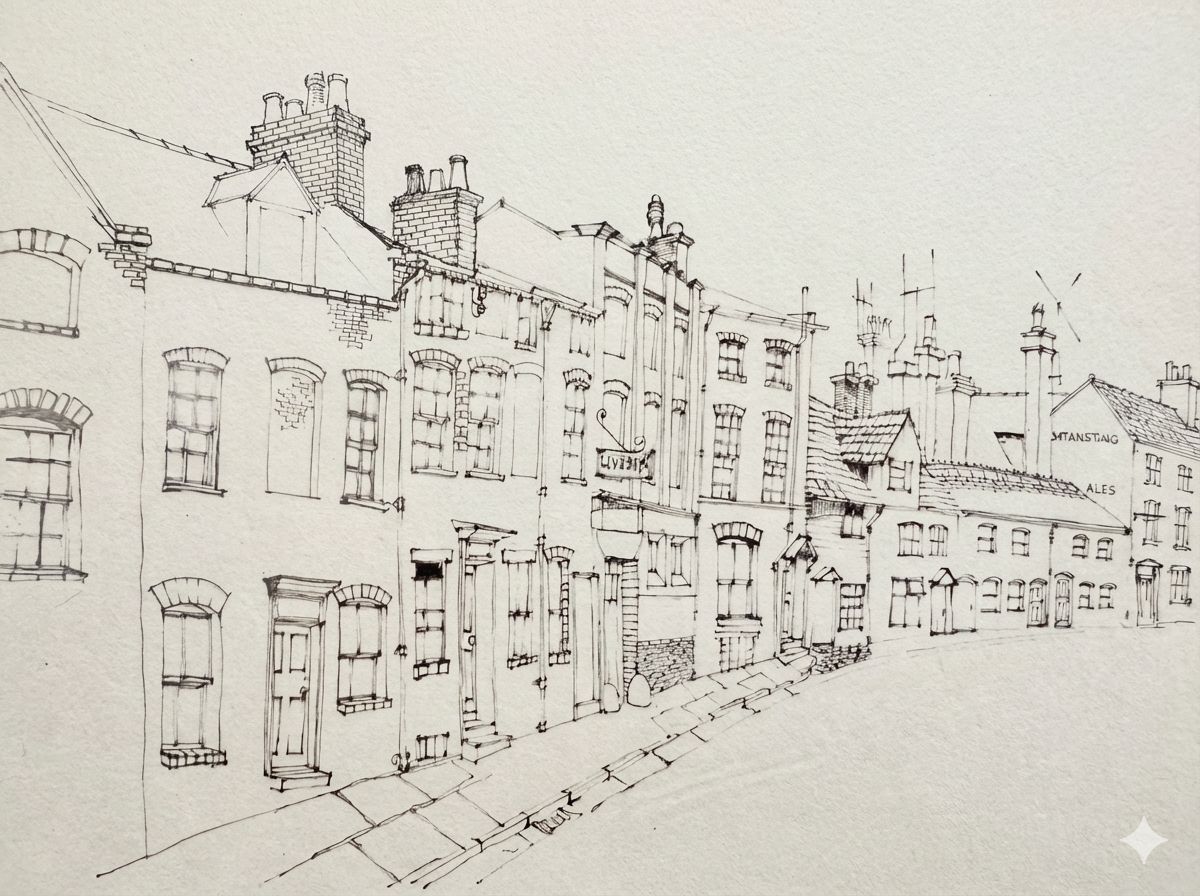
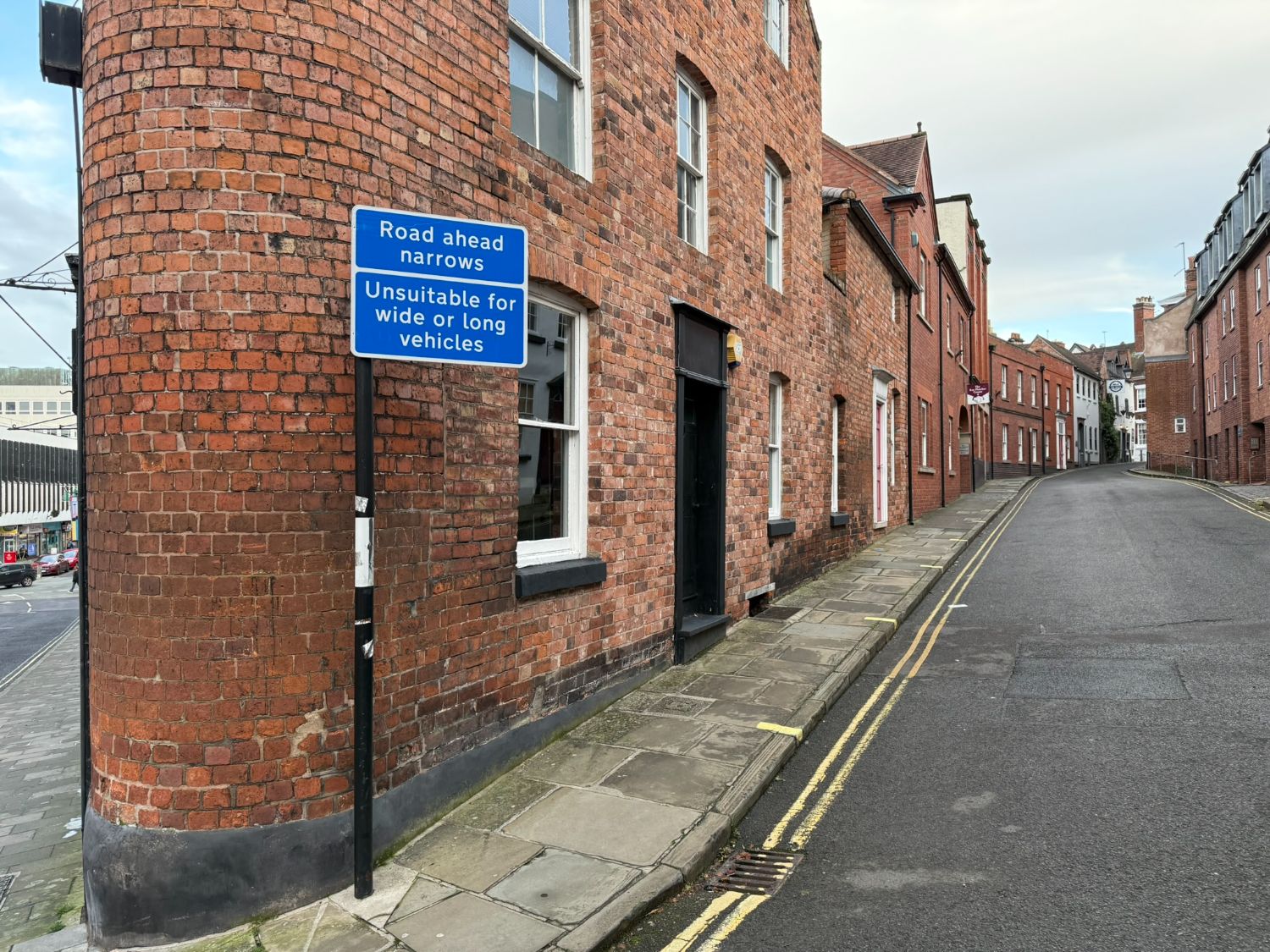
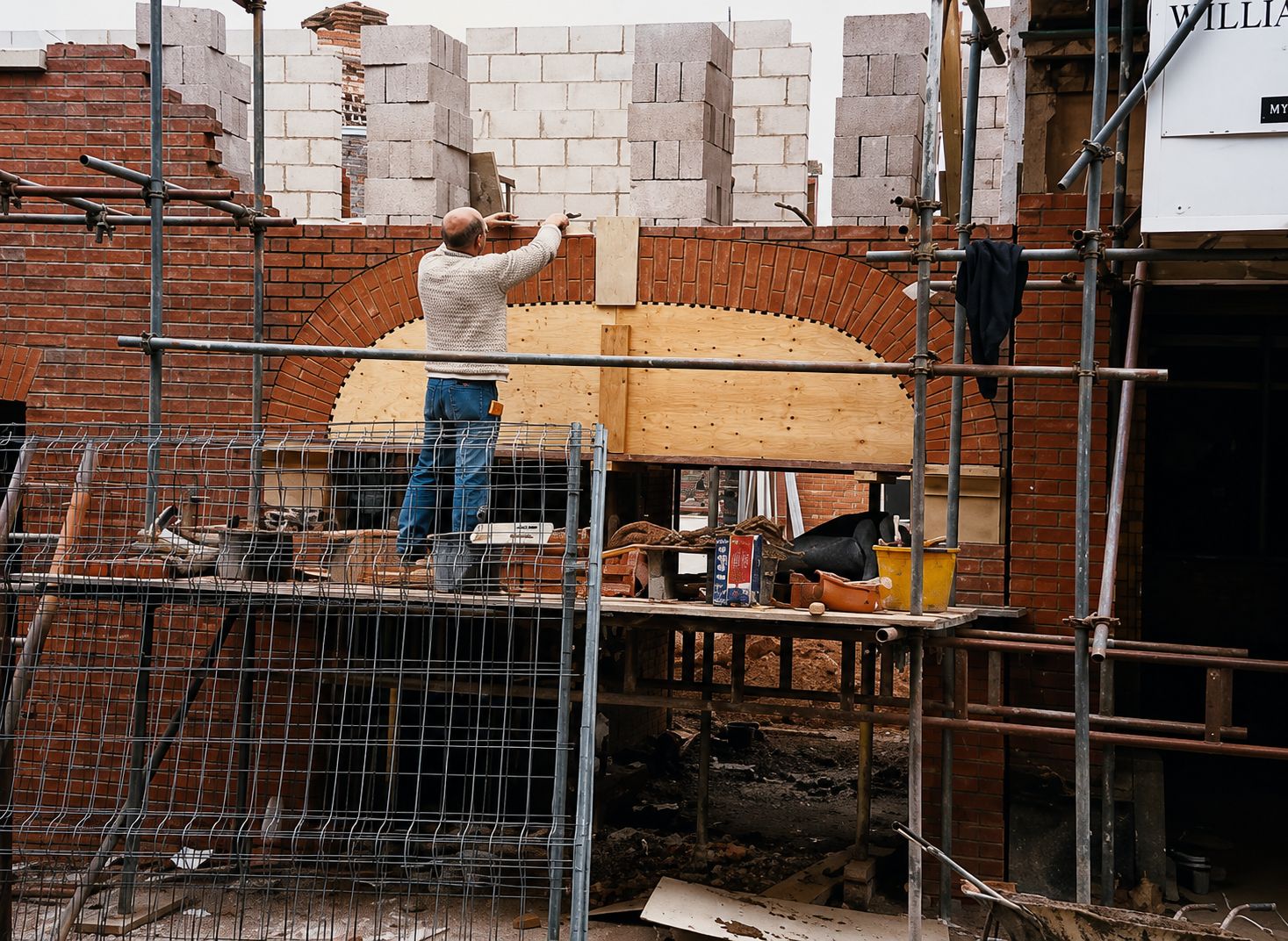
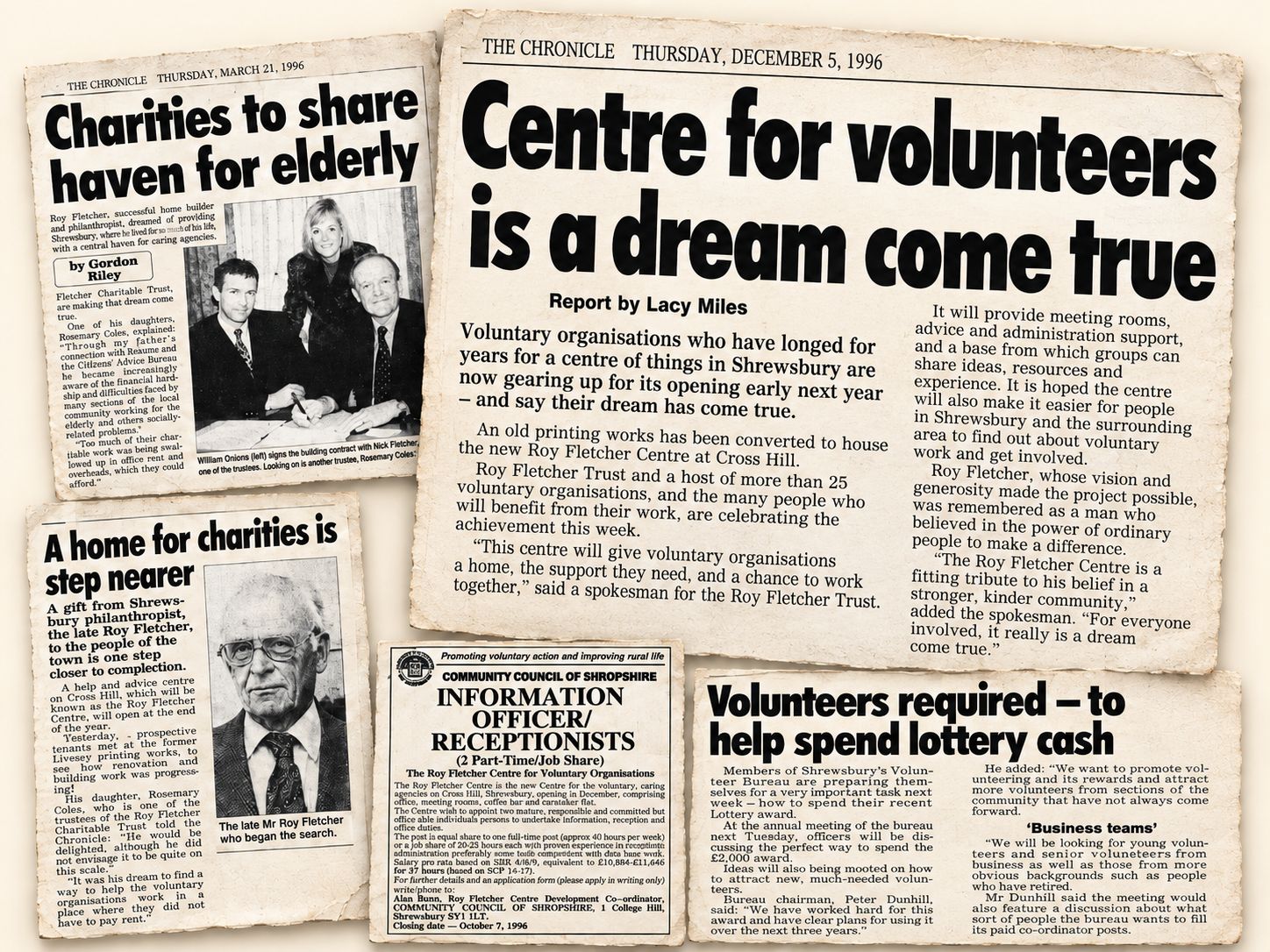
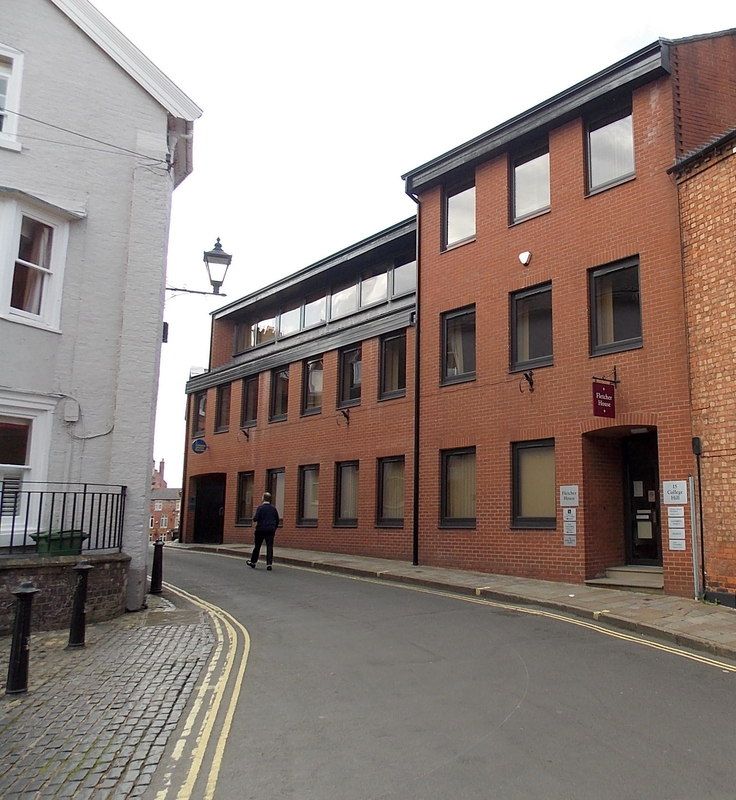
The former Livesey Printing Works on Cross Hill became the site. Conversion was complex, with contamination and redevelopment issues to resolve. Architect Ian Jameson of Bleazard and Galletta worked with prospective occupants so the building would suit them, and Nick Fletcher, a builder like his father, oversaw the project.
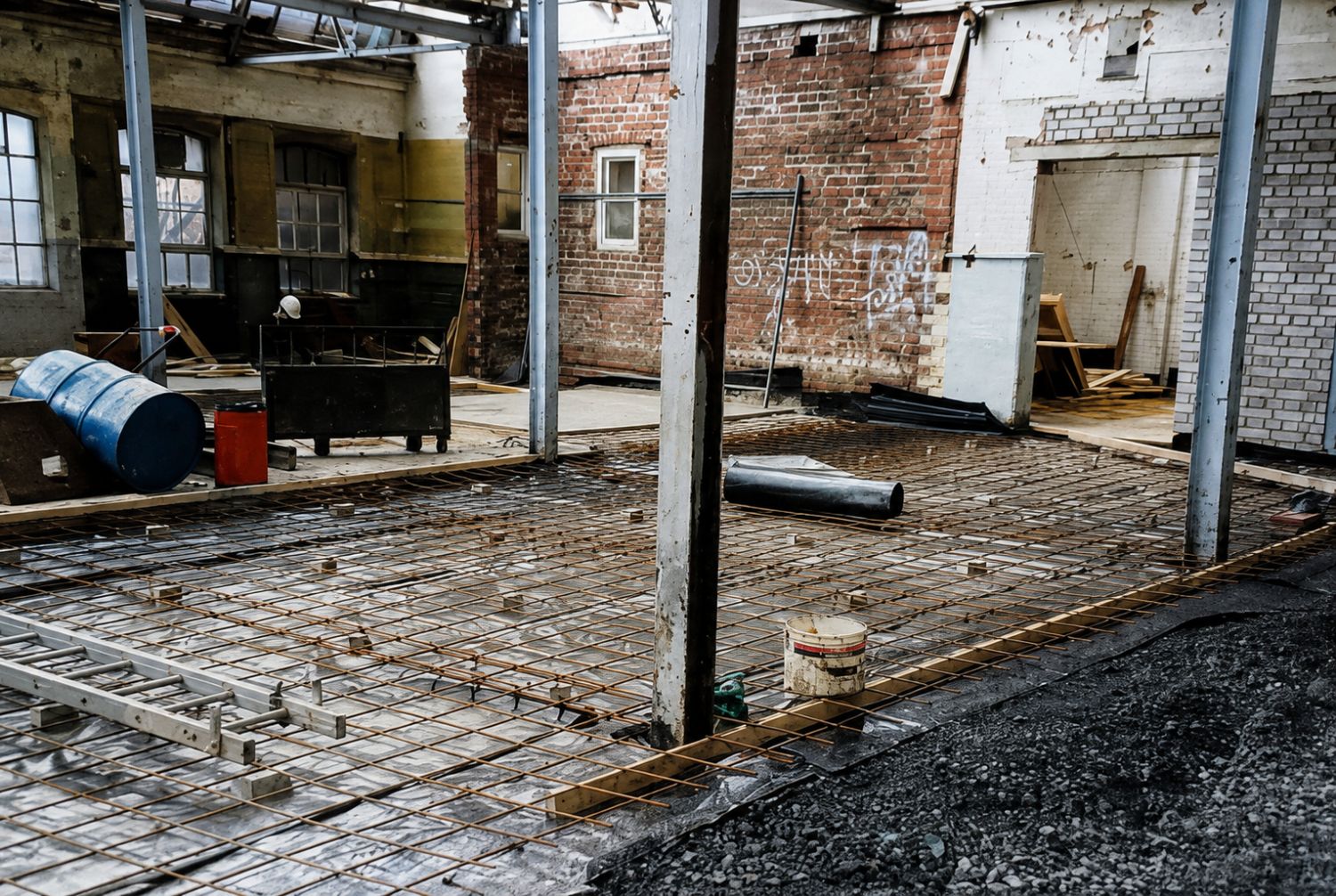
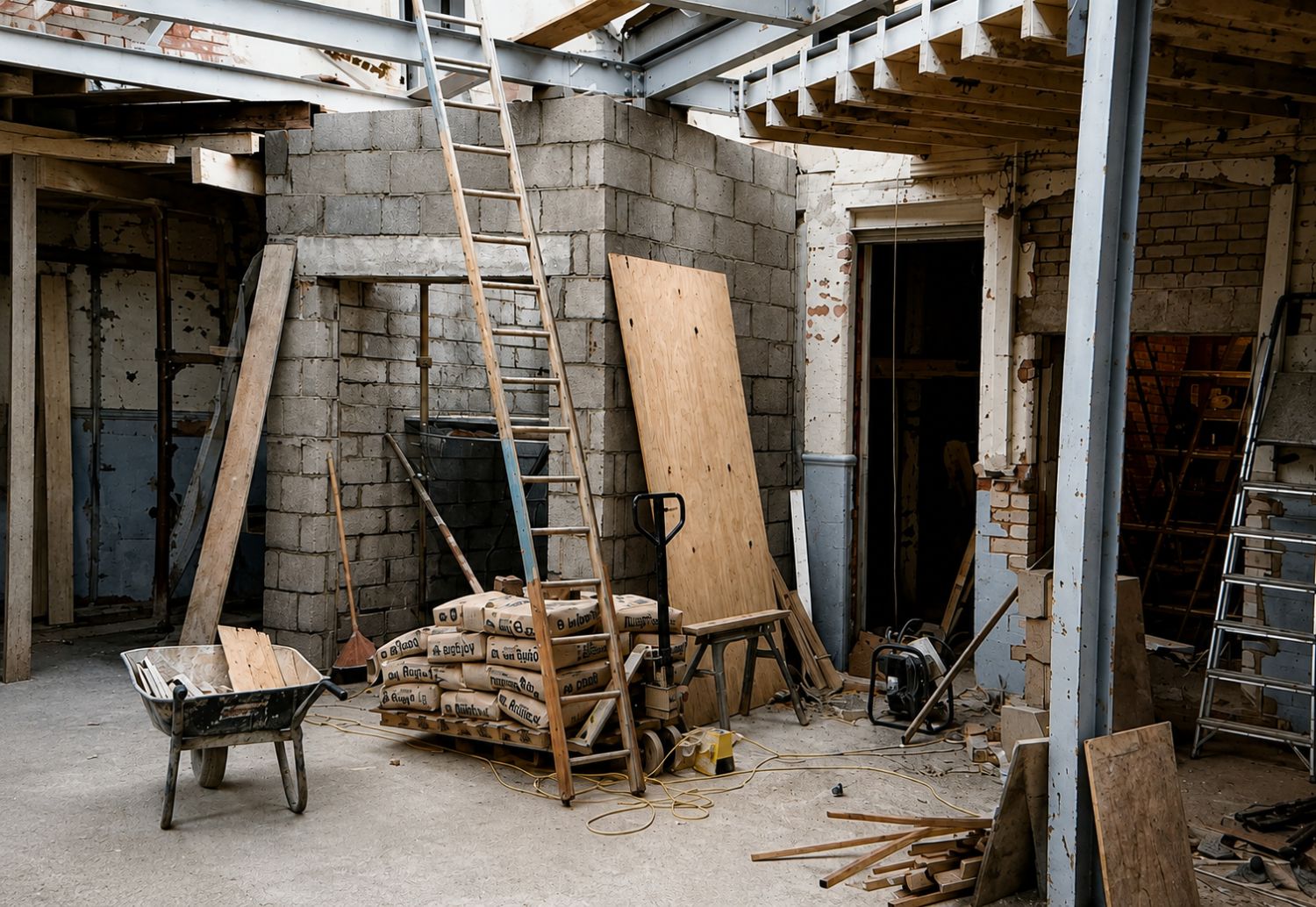
Opening the doors
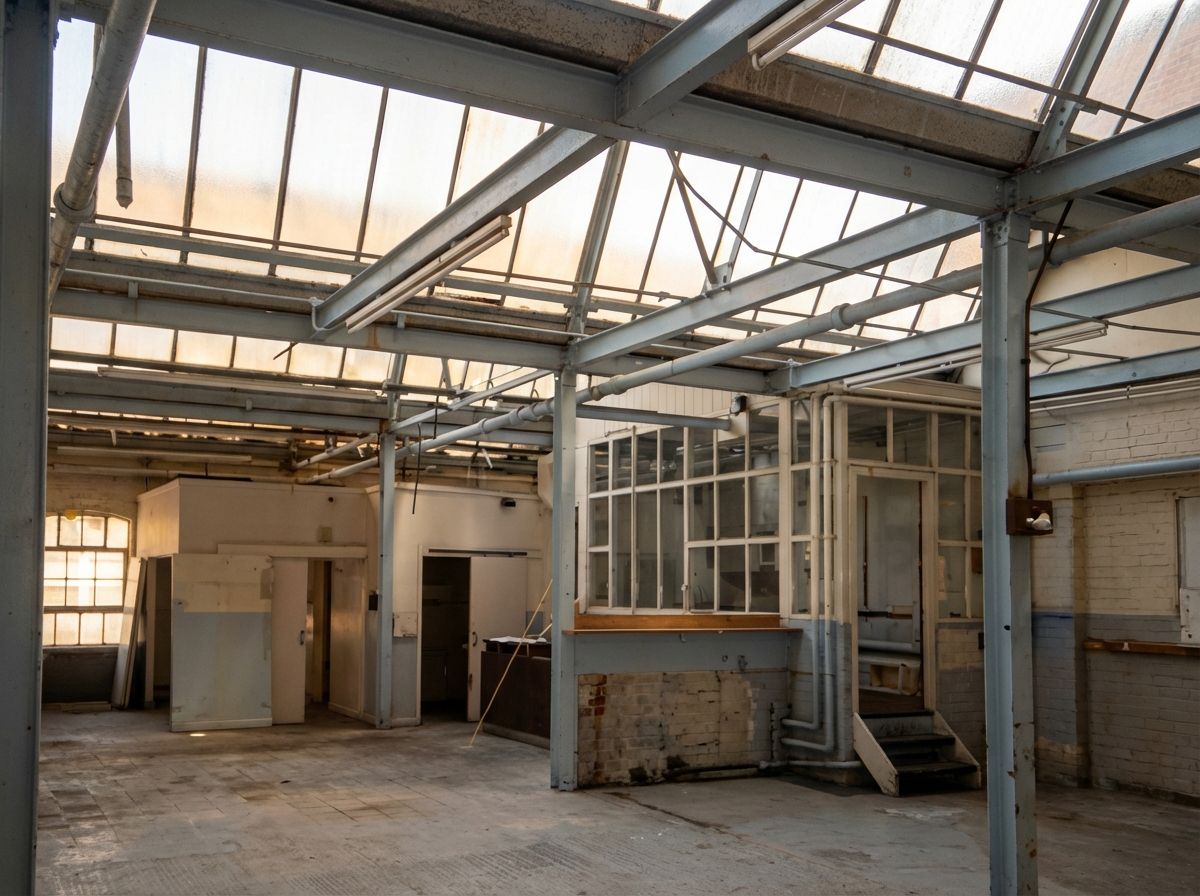
Around Christmas 1996 the first organisations began moving into the new Roy Fletcher Centre on Cross Hill.
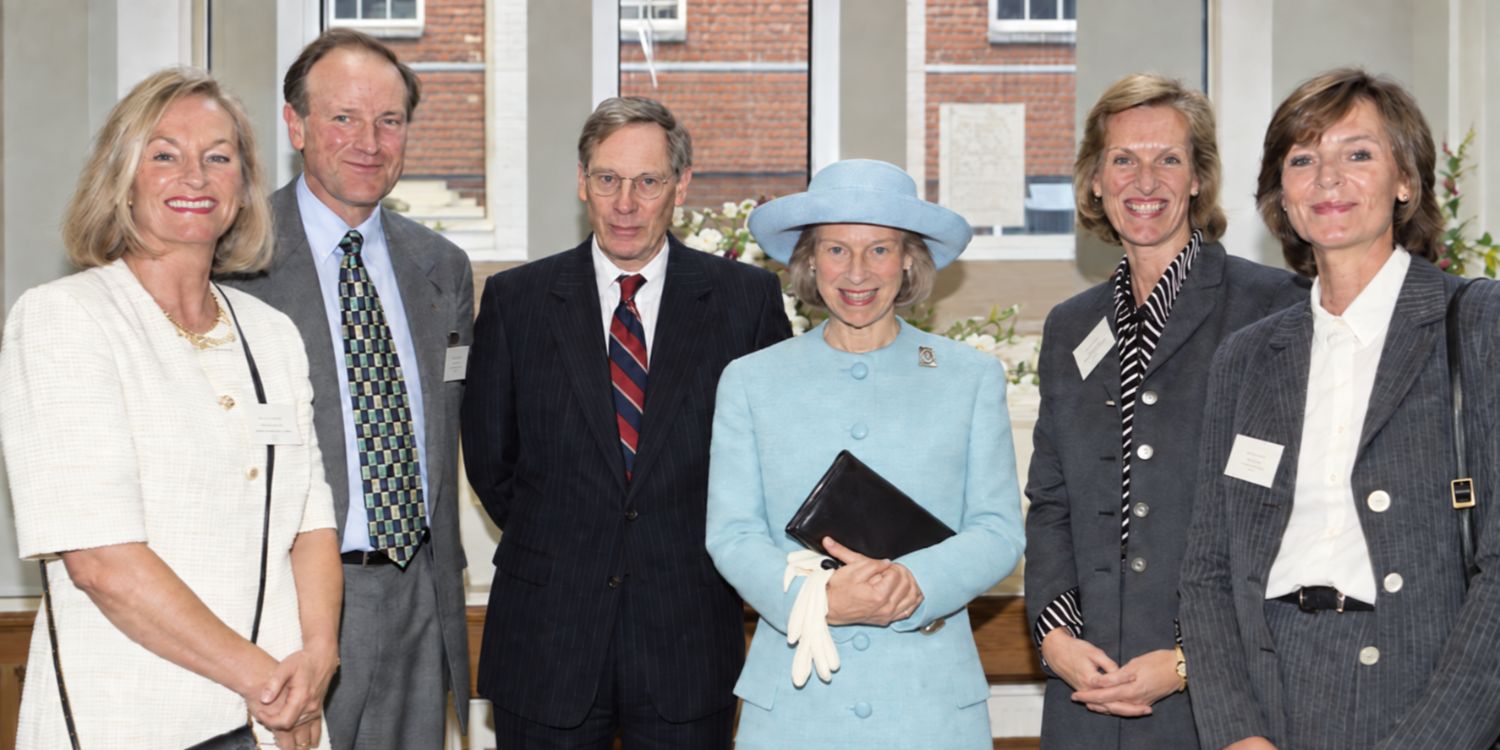
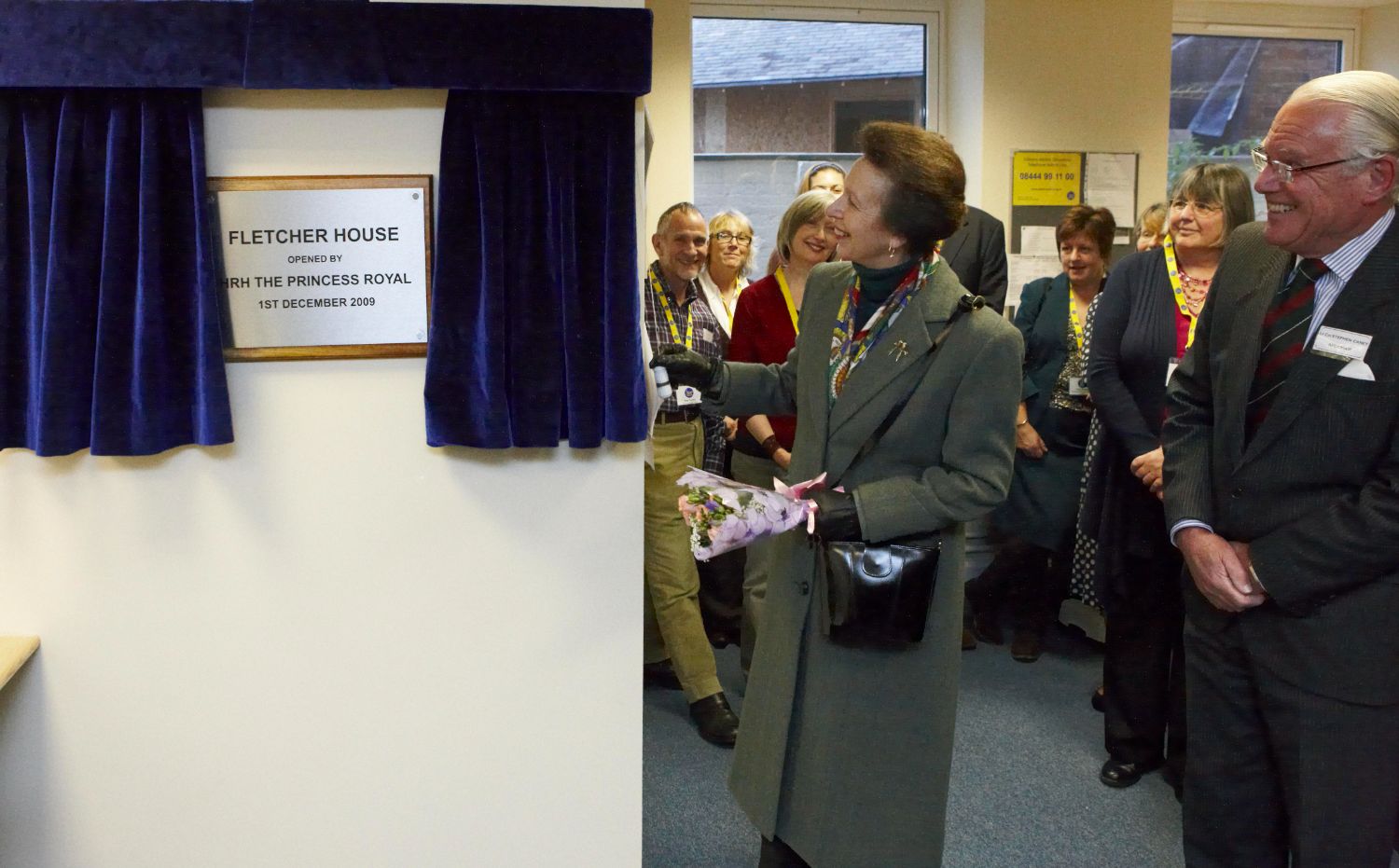
The Centre did not begin with a single ribbon. Organisations moved in around Christmas 1996 and through the early months of 1997, and the Centre was formally opened by HRH the Duke and Duchess of Gloucester.
For the charities moving in, the change was immediate and practical: rent they could afford, rooms designed for the work they actually did, a shared reception, and neighbours doing related things a corridor away.
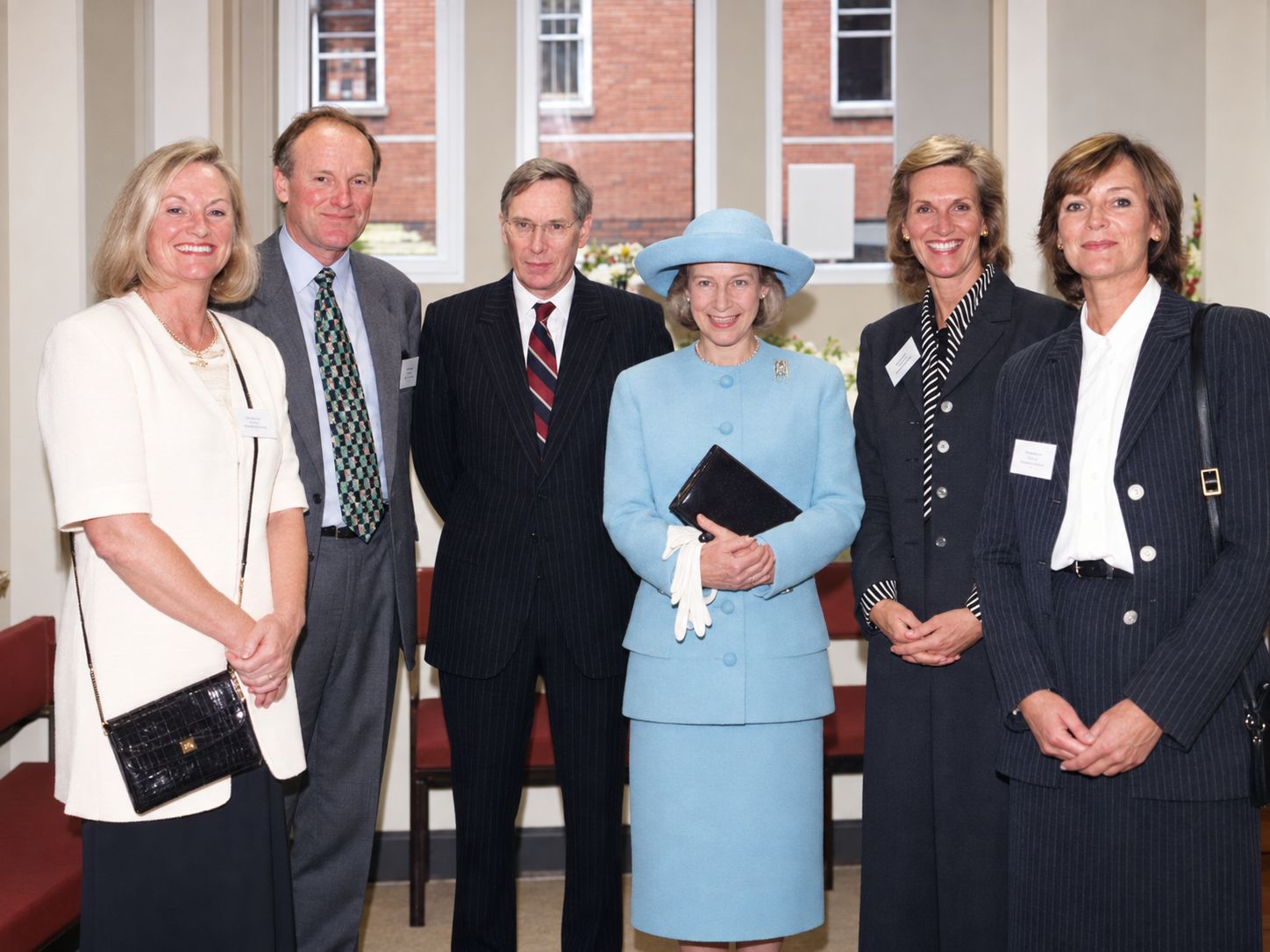
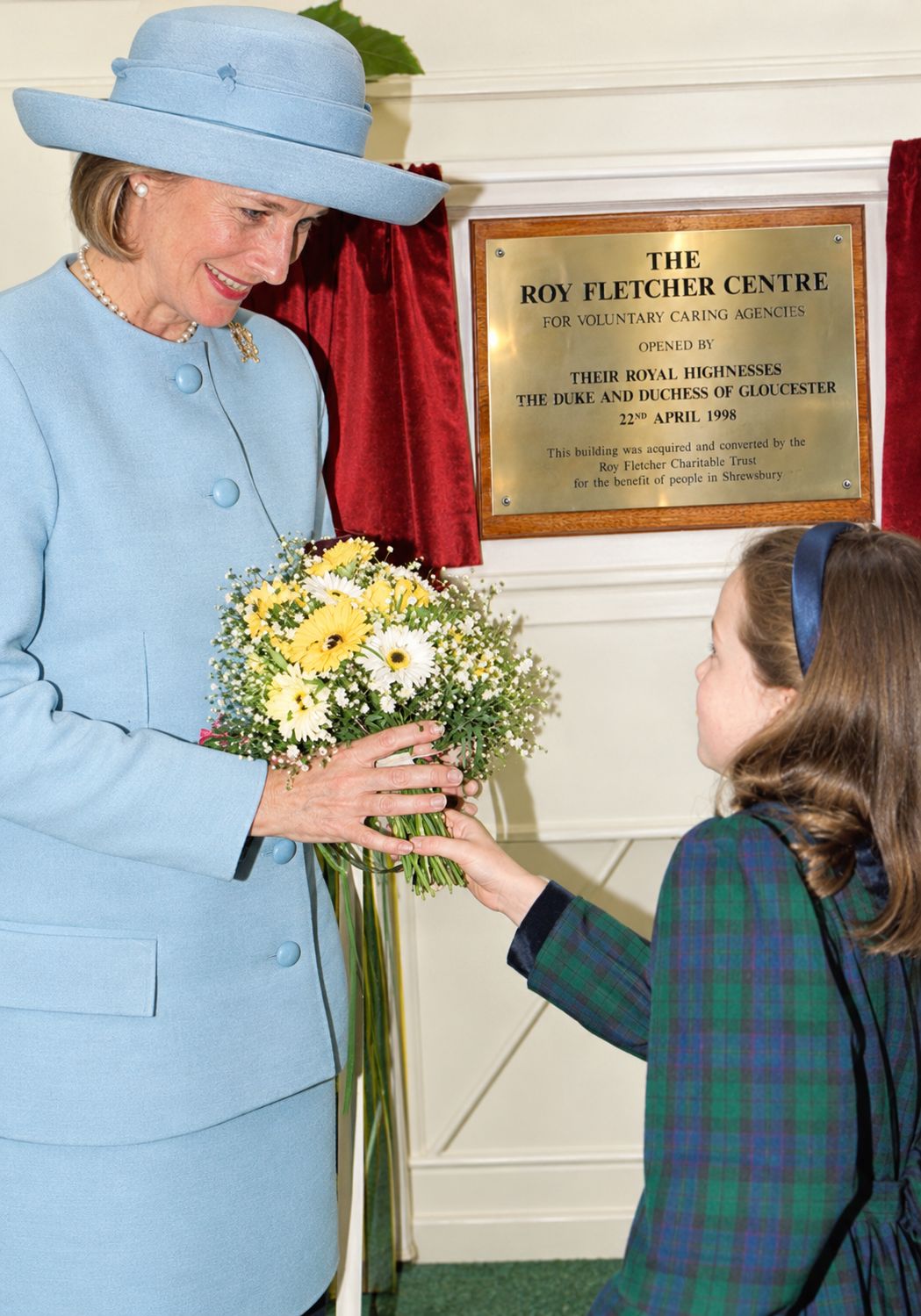
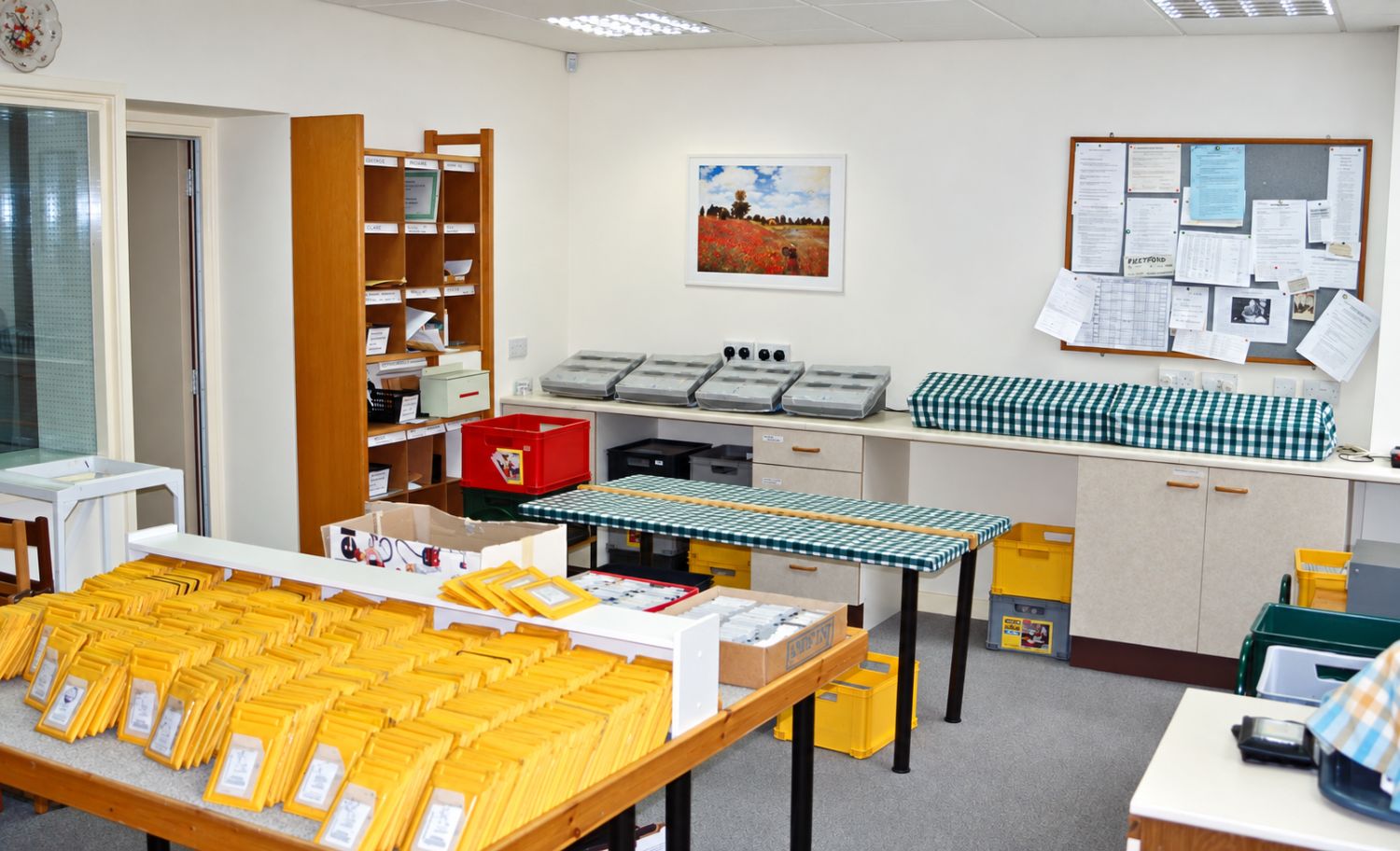
For nearly twenty years, volunteers of the West Shropshire Talking Newspaper had carried heavy sacks of cassette recordings up and down two steep flights of stairs to attic rooms near St Mary's Church. At Cross Hill they gained purpose-built recording and production rooms, out-of-hours access, a goods lift, better soundproofing and premises they could afford. They made the move without missing a single weekly edition.
More than a building
Put a group of charities under one roof and something else happens. Referrals become conversations.
The first organisations begin moving into Cross Hill around Christmas.
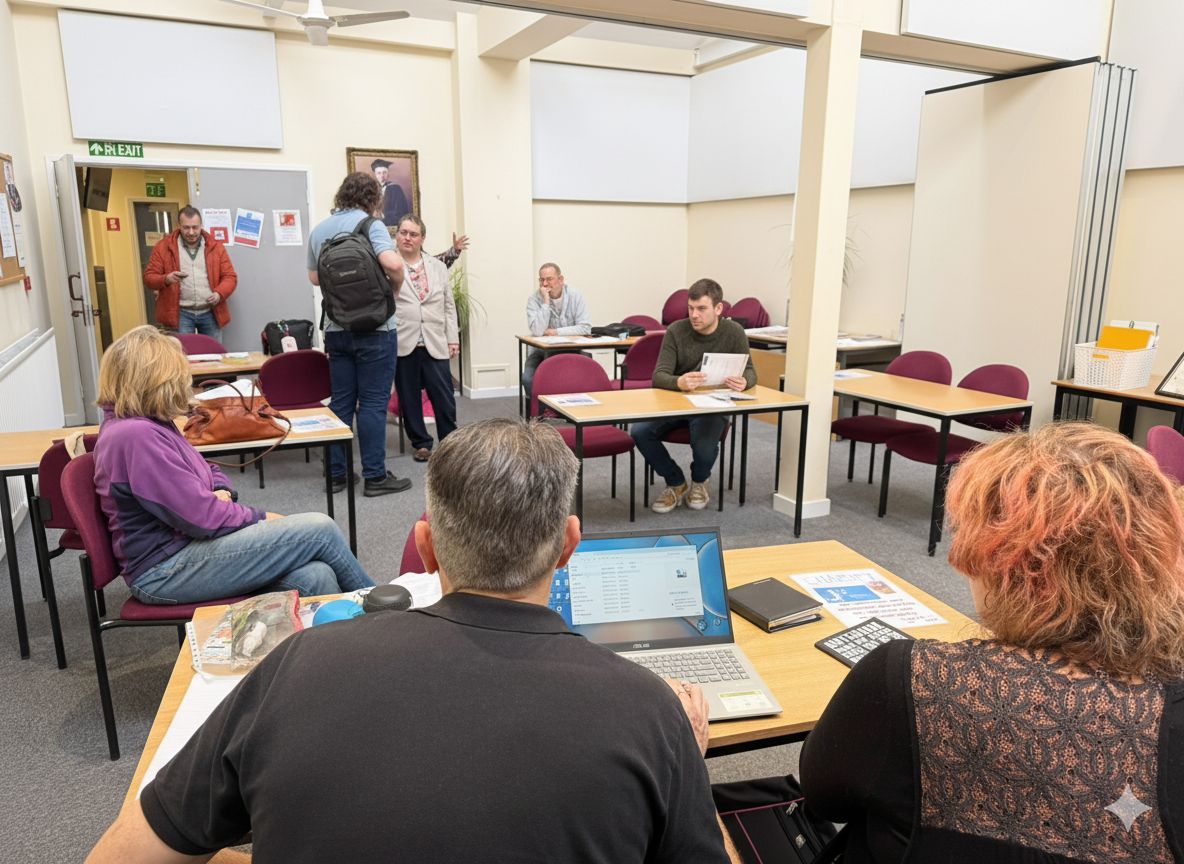
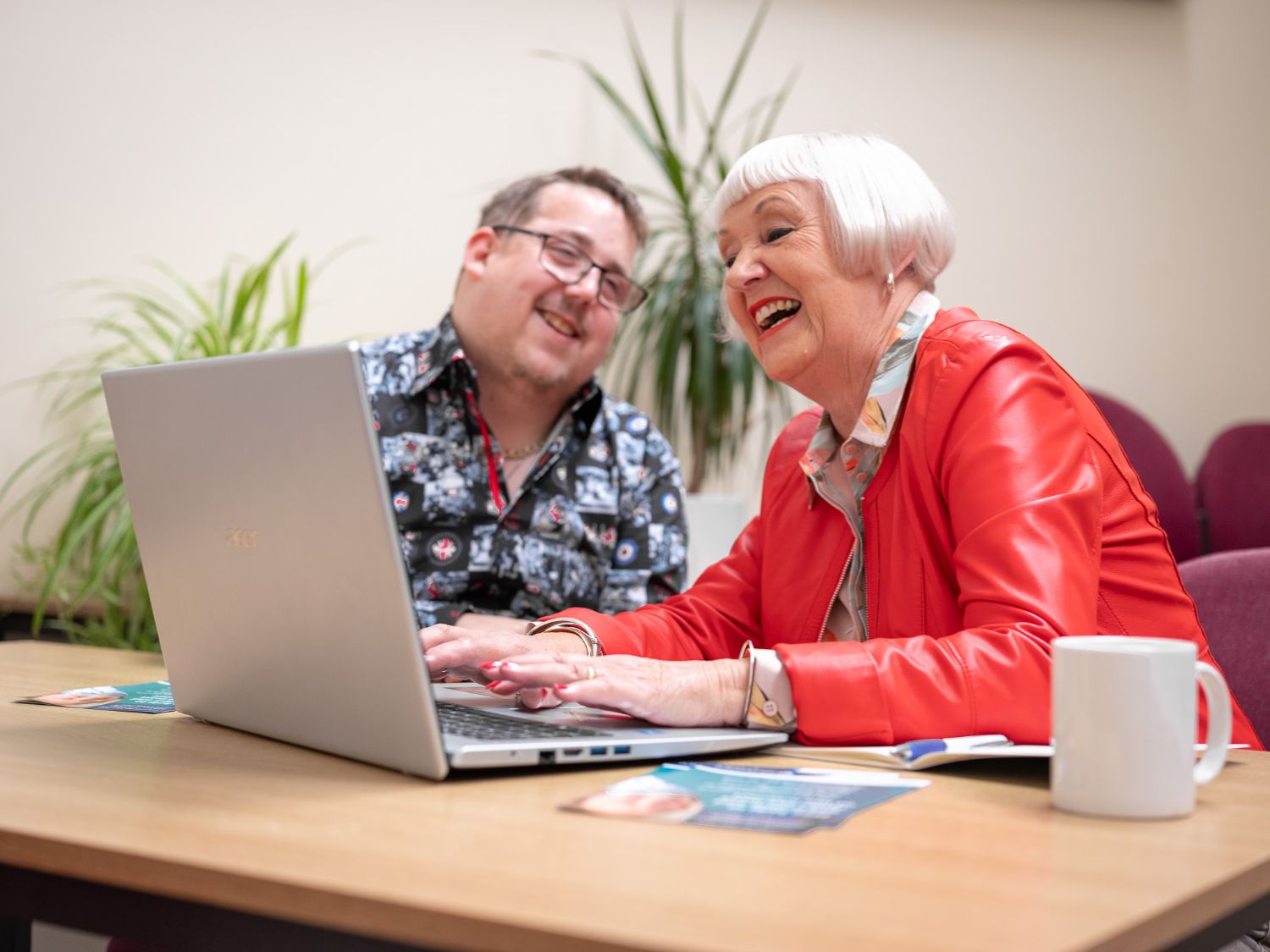
People rarely arrive with one neat problem. Someone seeking digital help may also need housing advice. Someone in distress may need counselling. Because staff and volunteers know their neighbours, they can point people towards other support available under the same roofs.
A volunteer knows who to ask. Someone who came for one thing finds help with another. That is the part of the Centre's value that never appeared in a rent book.
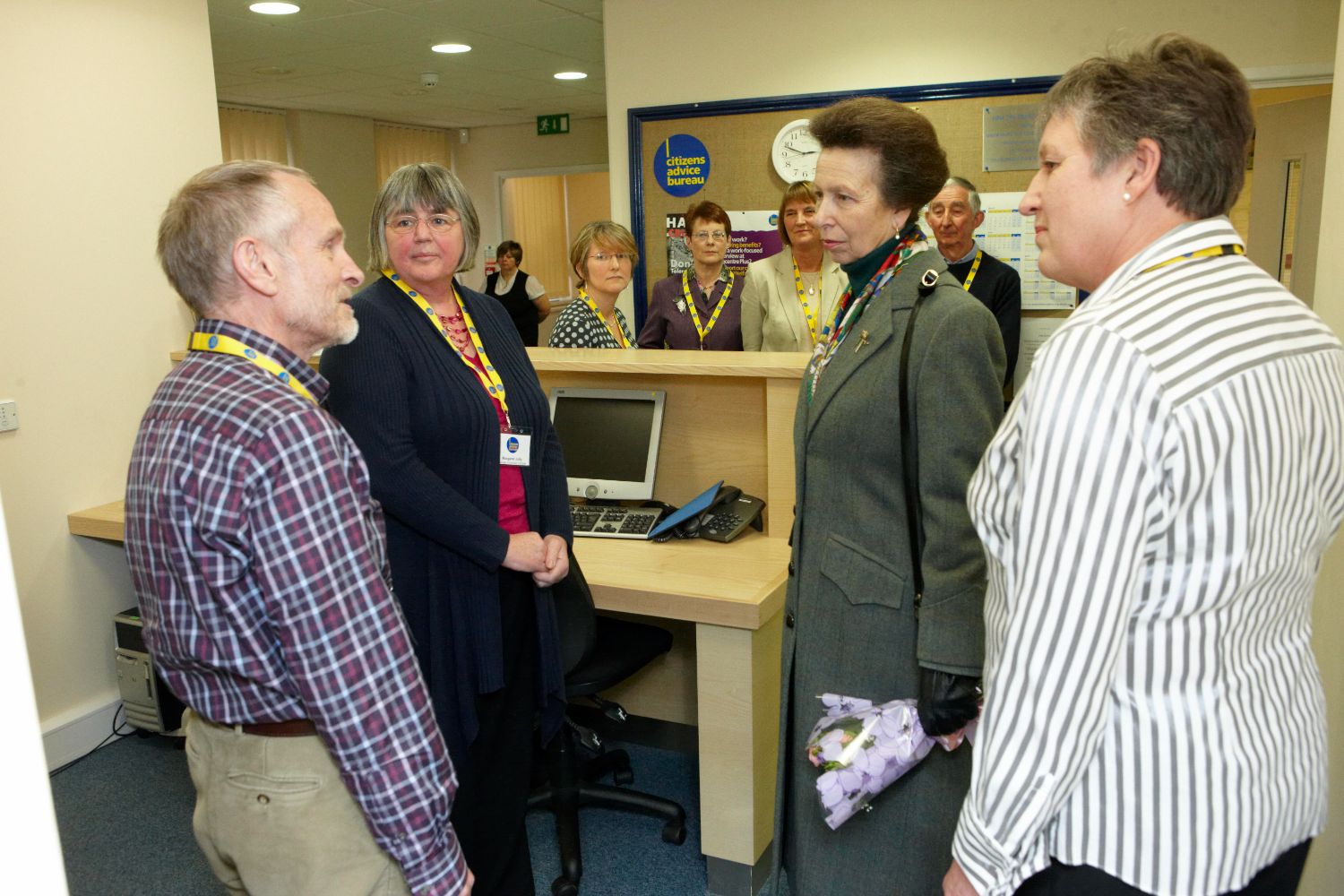
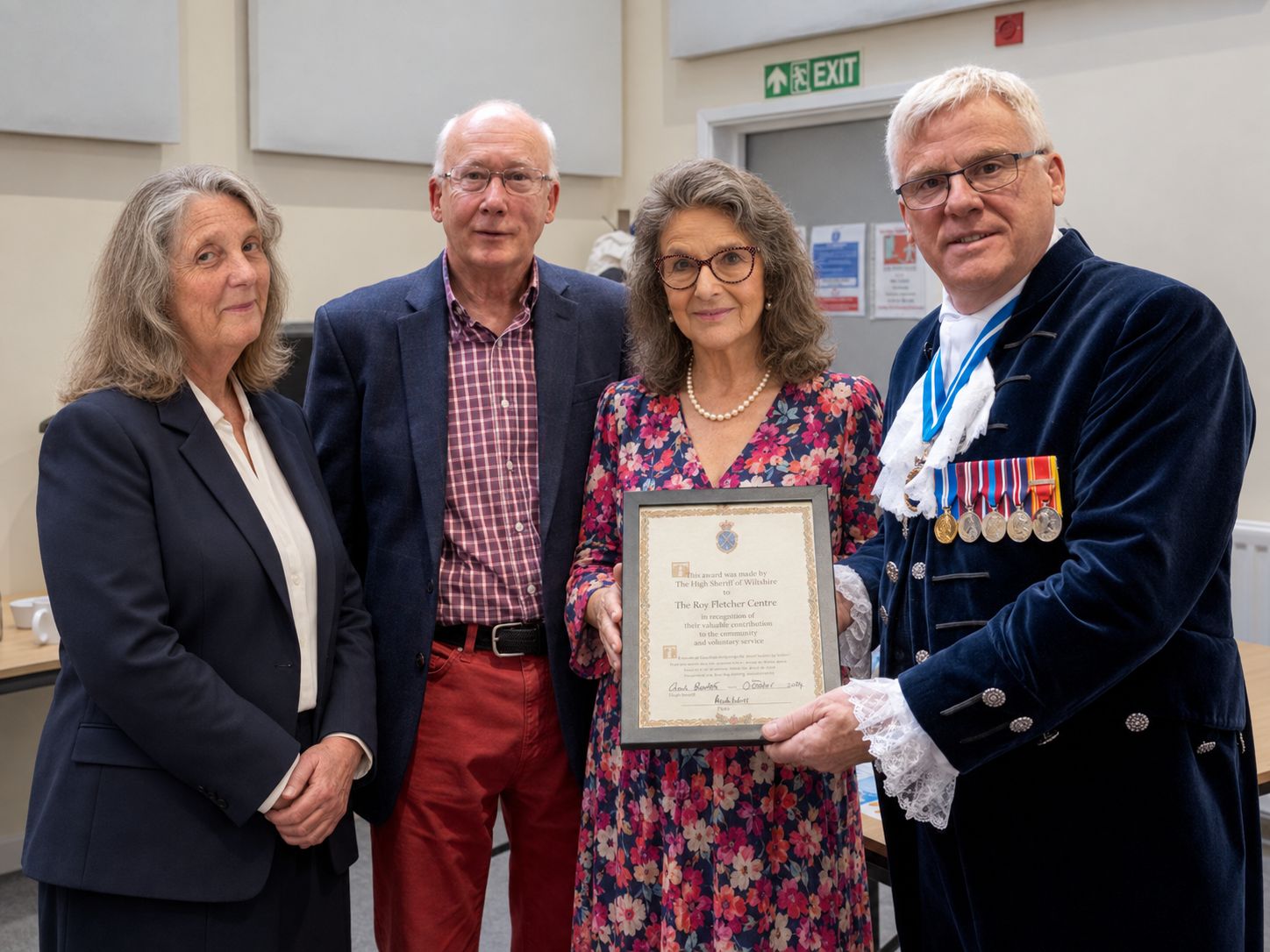
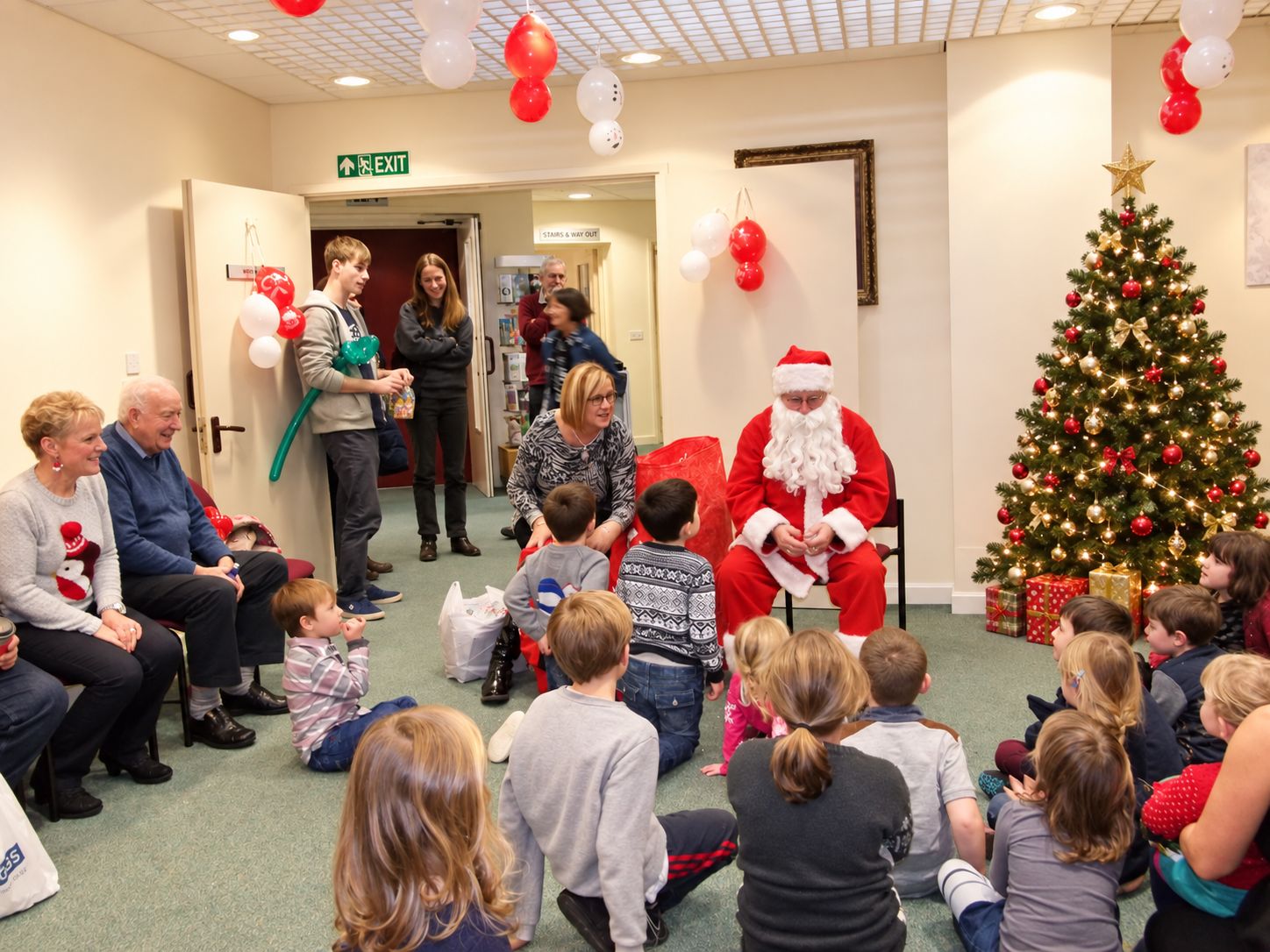
One address. Many ways to help.
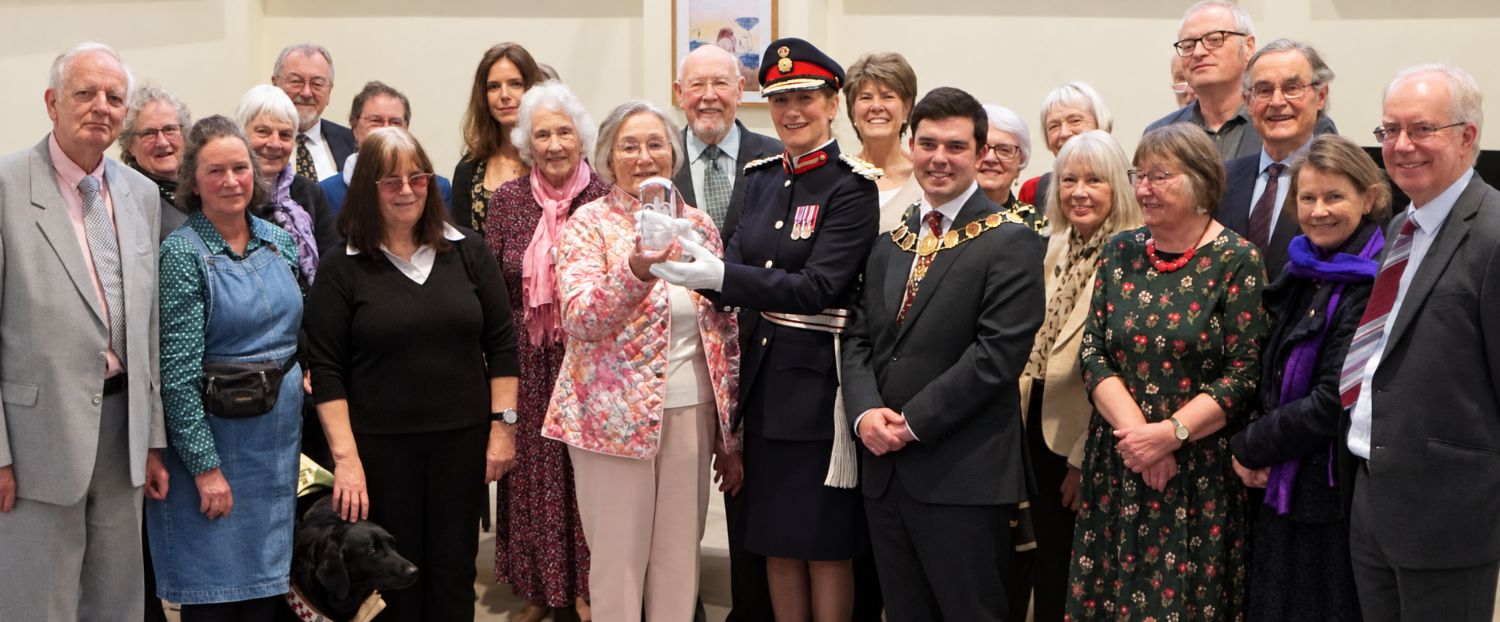
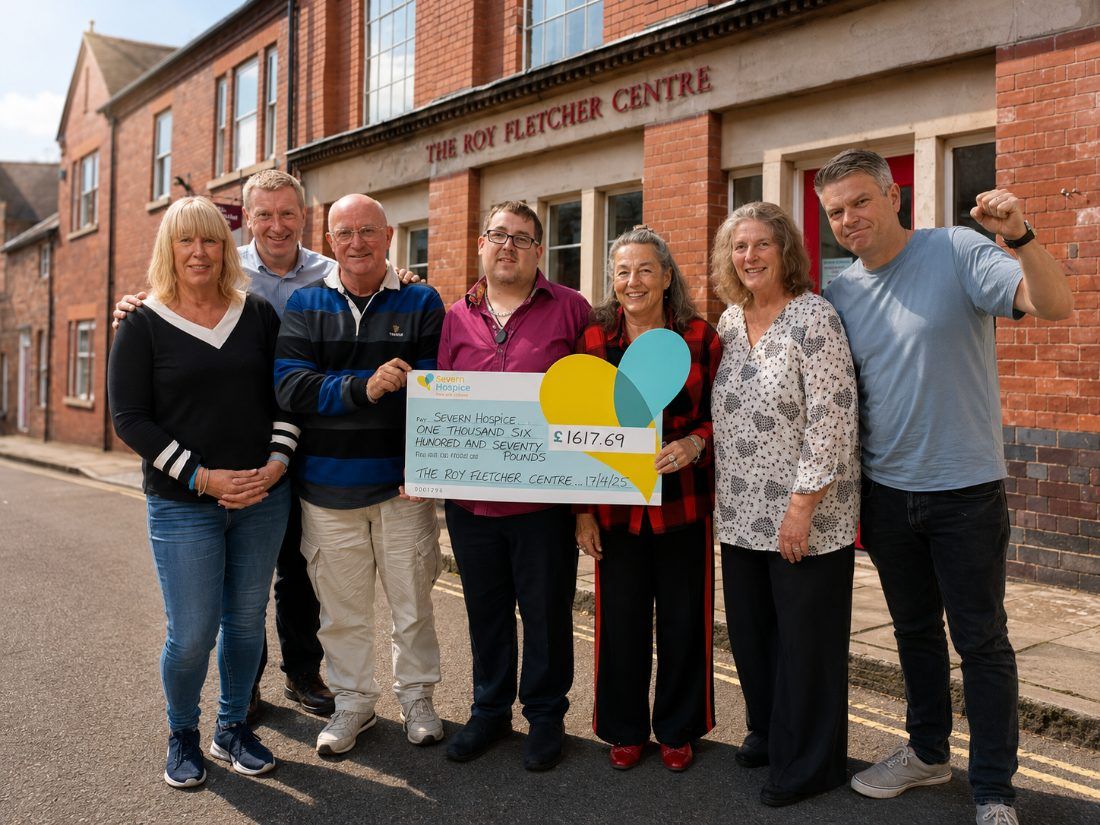
Thirty-seven charities have called the Centre home. Some stayed for decades, some merged, some closed, some outgrew us.
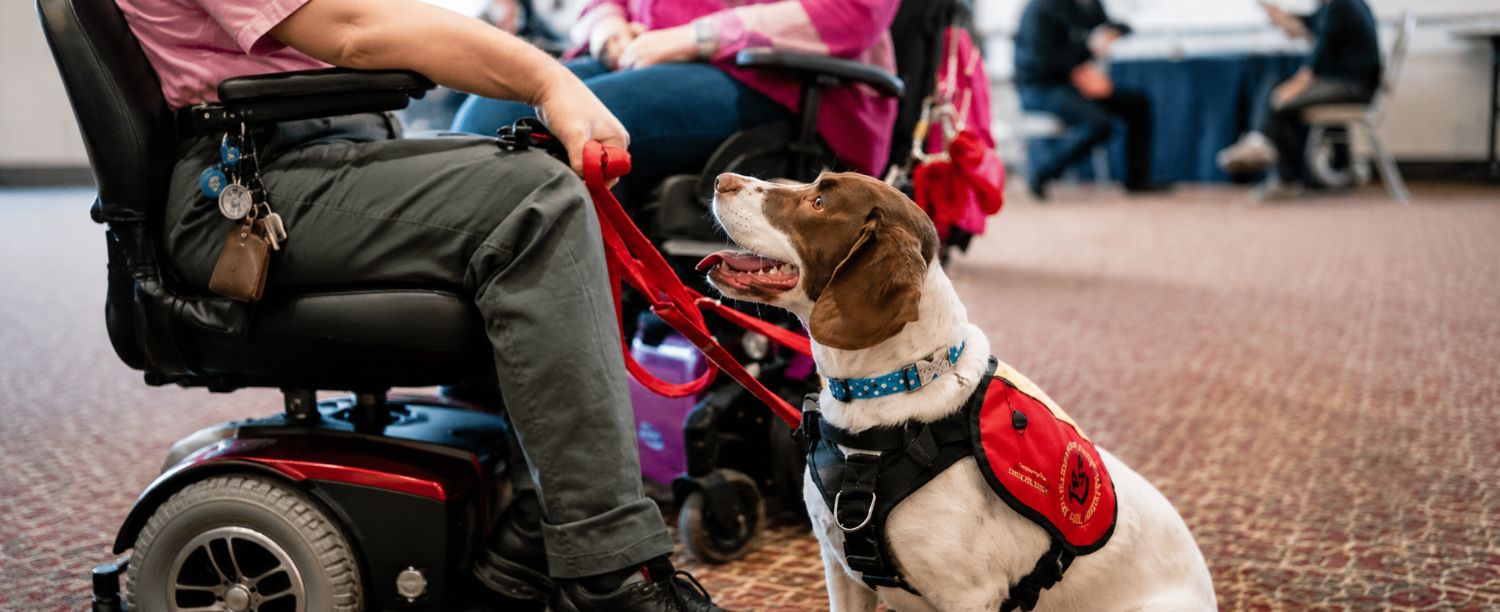
Eleven resident charities now work from the Centre's two buildings. Between them they cover counselling, housing and advice, food redistribution, inclusive dance, assistance dogs, transport archives and accessible audio news, alongside NHS Talking Therapies.
Meeting rooms, counselling rooms and office services are also hired out. That income helps sustain the Centre and keeps rents affordable for the charities based here.
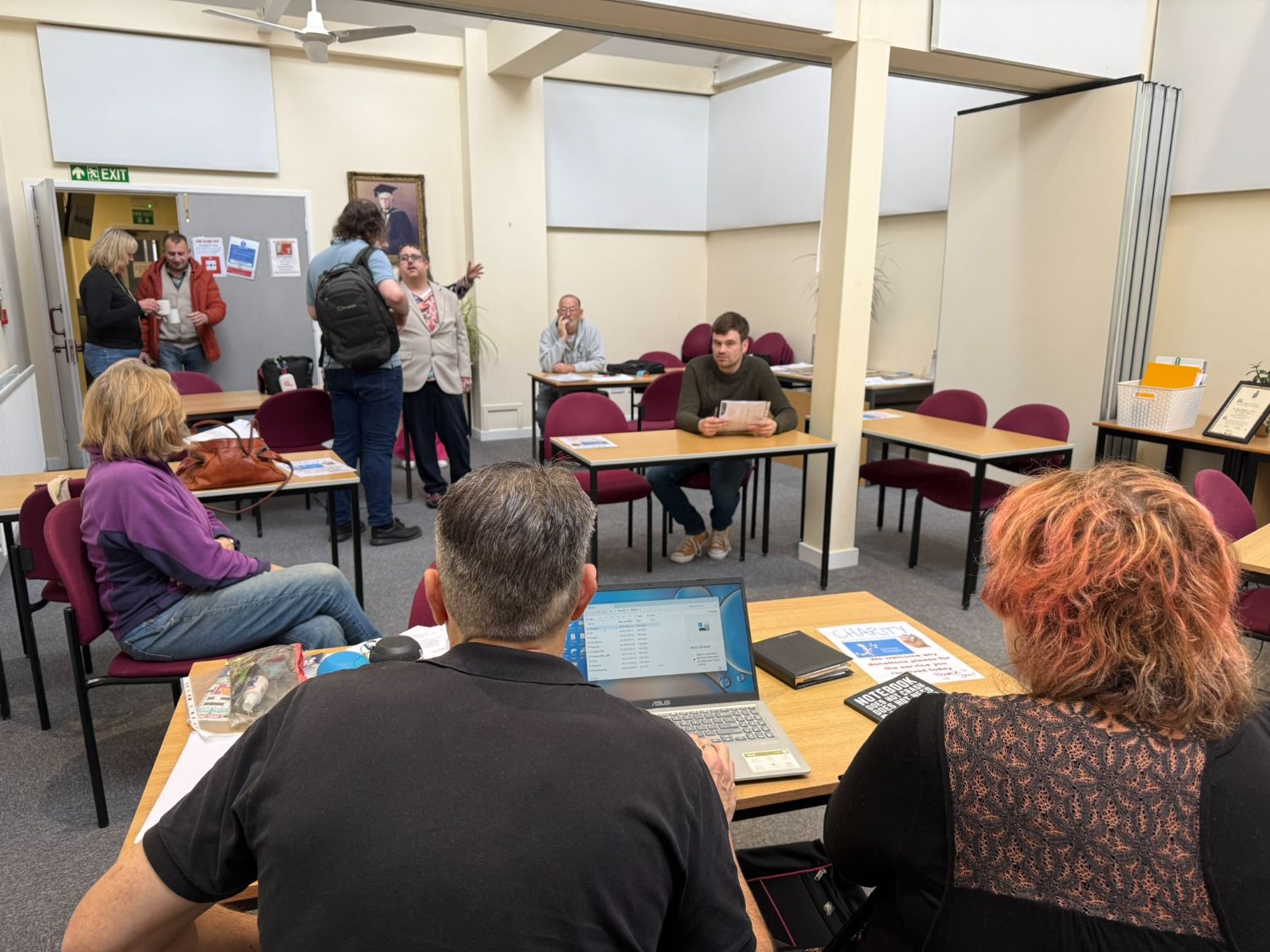
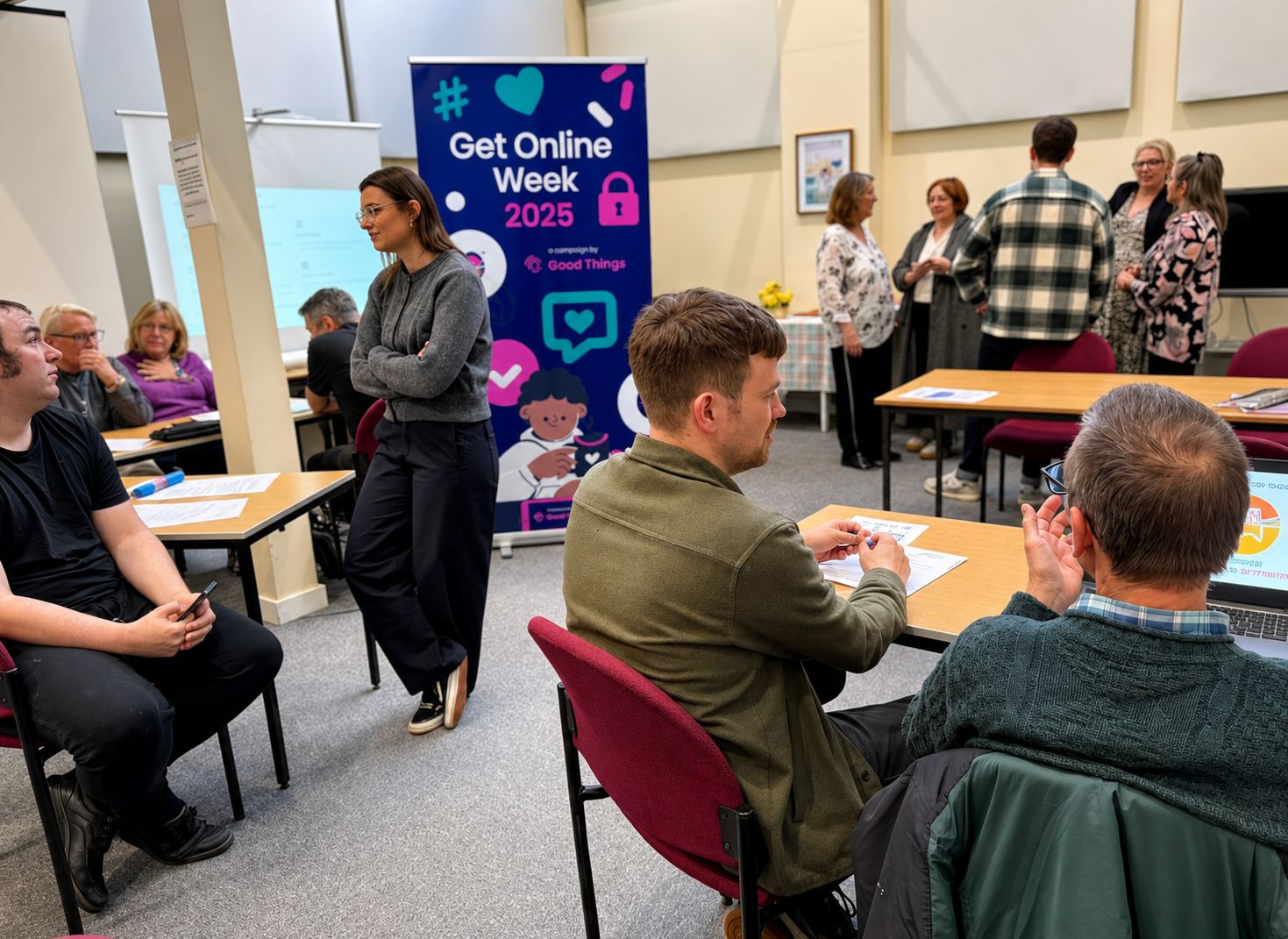
Digital Skills is the clearest example of the Centre answering a need that did not exist in 1996. Volunteers sit alongside people at risk of being left behind online, and work at their pace.
The next chapter
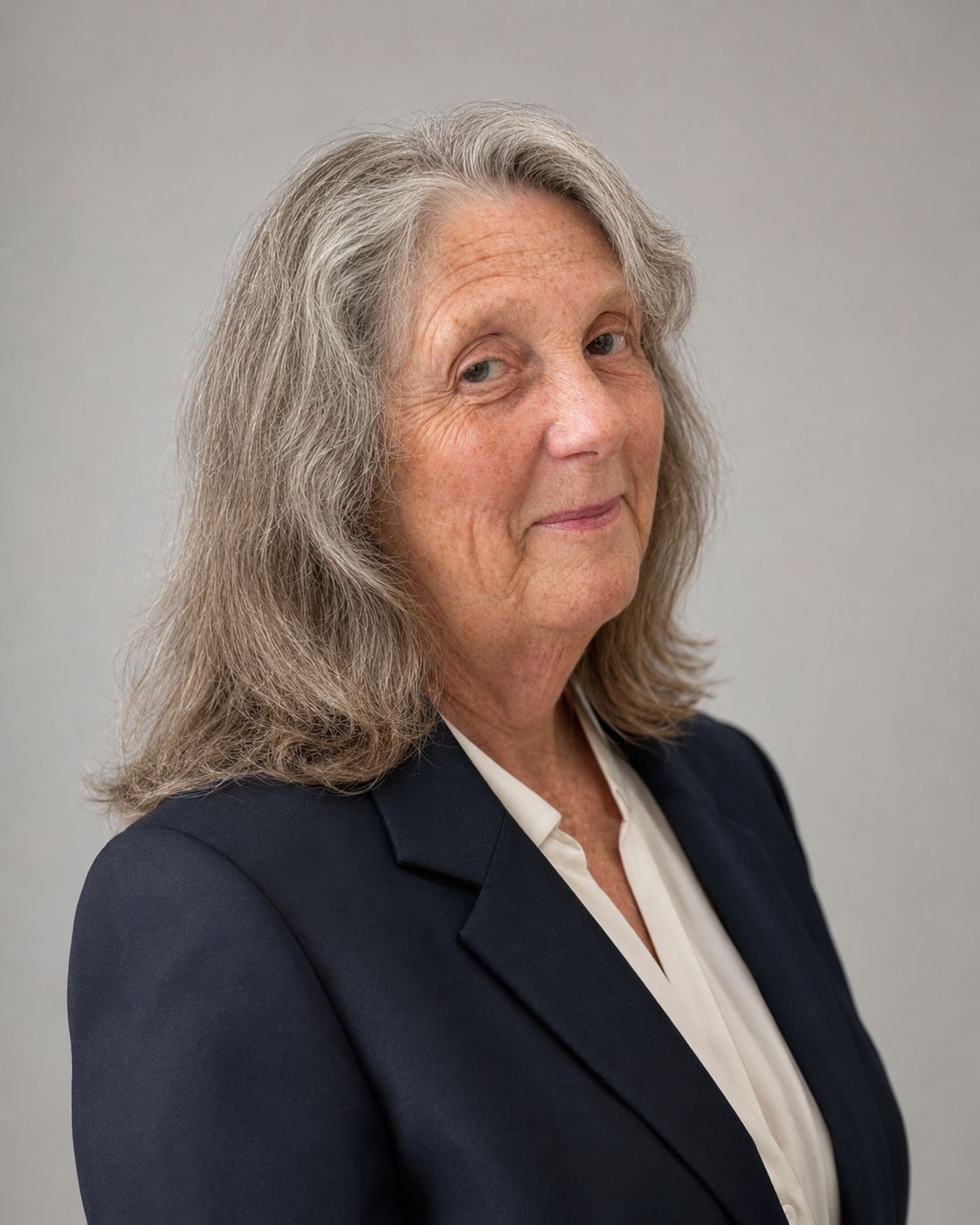
The pressures are different now. Costs rise, funding is harder to hold on to, and the needs people bring through the door keep changing. The purpose has not moved: give people and organisations the practical support they need to help others. Jenny describes Roy as a man of action. Thirty years on, the Centre still works the way he did, by finding out what is needed and getting on with it.
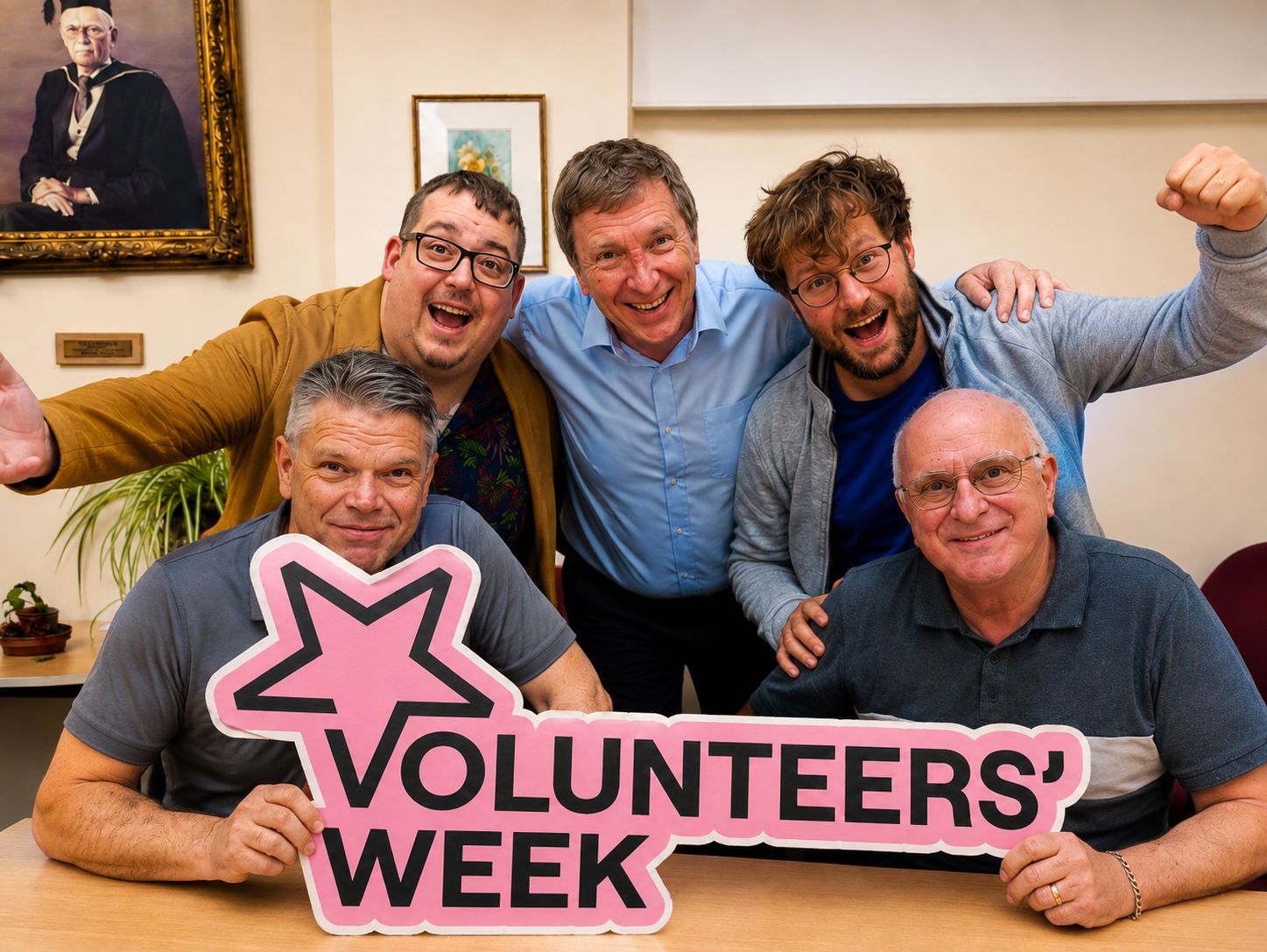
What does the Roy Fletcher Centre mean to you?
Did you work here? Volunteer here? Use one of the services? If you have a memory or a photograph from the last thirty years, we would like to hear it.